I came to storage reviews as a kid from a blog, and the trade show floor taught me the rest. My road ran from the first PCIe drive a maker trusted me to review, through the mentors who opened doors, to the rivals whose benchmarks I measured my own work against. There are no test results here, only the people, the rooms and the late nights that shaped how I test and how I write. More Reflections tell how I learned the craft.
Reflections
The Wild West of Storage
A reflection on the trade shows, benchmarks, mentors, and moments that shaped a career in storage journalism.
On this page 8 sections
Sparks in the desert
The desert air always carried a spark of ozone and ambition. Storage’s “Wild West” was never just an industry beat, whether it played out in the neon haze of Las Vegas during CES or the humming corridors of Santa Clara at the Flash Memory Summit. It was a battlefield of bits and bytes.
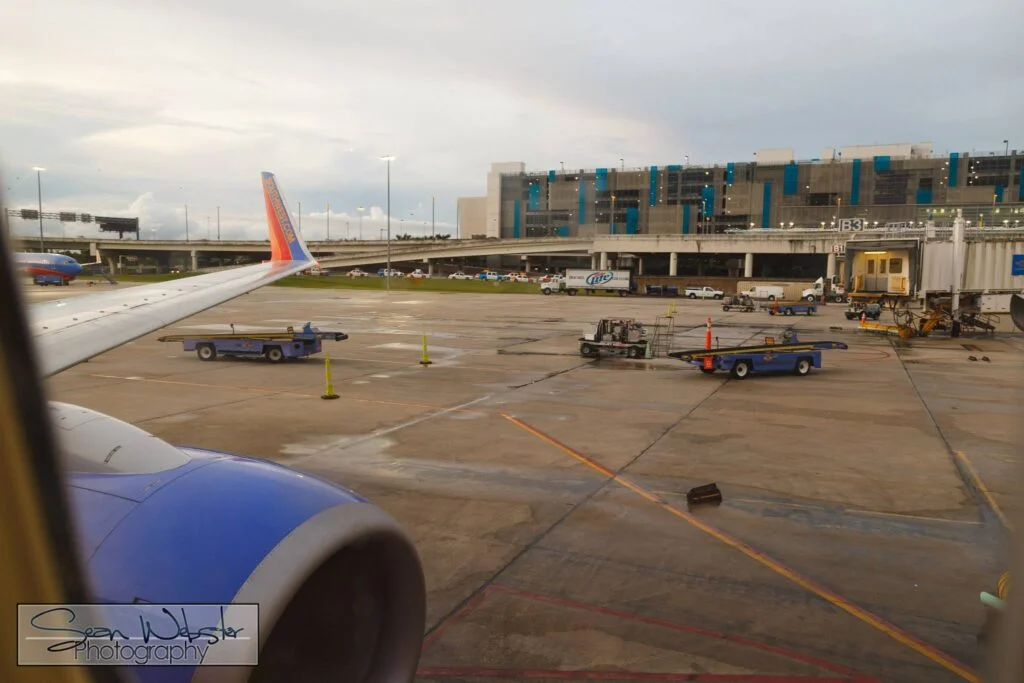
Before the wheels hit the runway, the campaign had already begun. My plans lived in color‑coded spreadsheets, with meetings at the Venetian, early press briefings at the LVCC and Ubers timed to beat the cab lines clogging the strip. The night before a trip was always a ritual of checking the bag, organizing gear and laying out batteries and adapters like tools before a mission. The flight was never for movies or sleep, only for mental rehearsals, cycling through controller specs and flash architectures until they became instinct.
Sparks in the desert
Every trip began as a plan on a spreadsheet
Most of the trip was settled in spreadsheets and rehearsals before I reached the show floor, and the floor is where the plan met the people.

Into the arena
Walking into those trade halls for the first time felt like stepping into a controlled storm of LED glare, demo reels looping and the chatter of engineers and marketing leads merging into a constant low‑frequency buzz. I absorbed the scene as much as I covered it, calibrating myself to the pulse of progress. Every conversation about firmware algorithms or endurance testing chipped away at the uncertainty.
Into the arena
The show floor fed one steady calibration
With every hour of that buzz I absorbed, more of it made sense.
Confidence came, first as performance, then as presence.
That balance of steady curiosity turned me from the “kid from a blog” into an editor fluent in the shorthand of innovation.
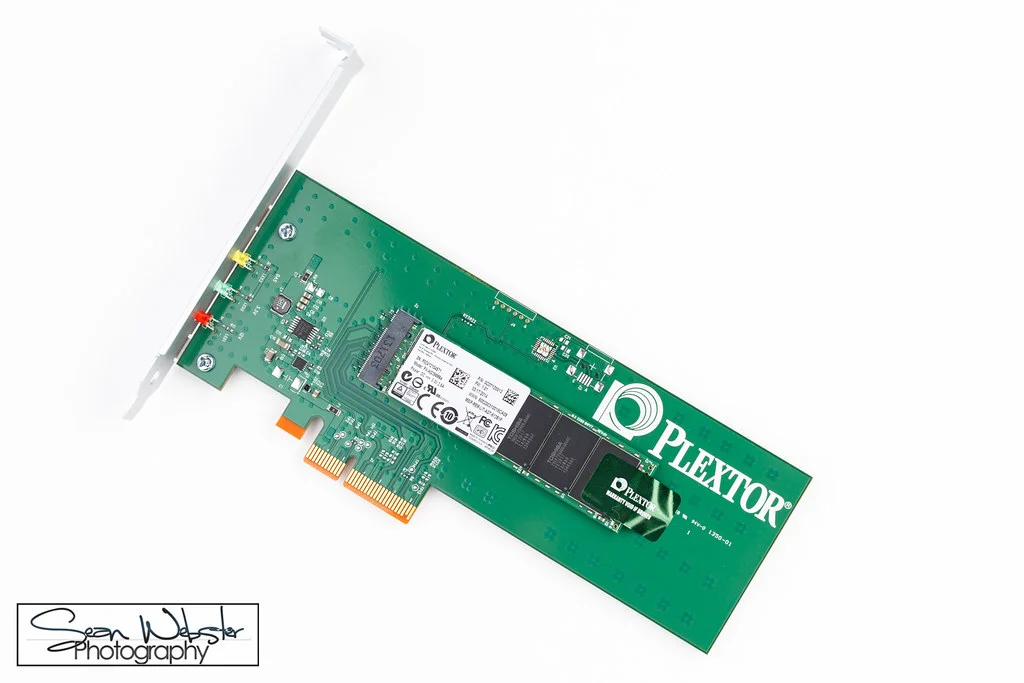
The Spark: Plextor M6e
The breakthrough came earlier with one small black-and-green rectangle that changed everything. Plextor’s launch release called the M6e the first SSD designed specifically for gamers, and to me it was a glimpse of the performance that would reshape storage. Plextor trusted me to review it on Overclock.net. Testing that drive felt like standing on the edge of something transformative. At a time when SATA still ruled, the M6e represented the first crack in the old order.
The Spark: Plextor M6e
The M6e opened a wider path than SATA allowed
Testing the M6e was the first time I saw SATA stop being the only road to a fast drive.
I wasn’t just reporting on the shift; I was watching the next era of storage boot up in real time.
The mentor and the mission
Then came Les Tokar from The SSD Review. If the storage industry were a frontier, Les was the veteran who handed me the compass. His mentorship went beyond editing and into clarity, opportunity and earning trust in an ecosystem built on NDAs and first looks.
The mentor and the mission
One mentor gave me a standard and a way in
Les’s lessons in clarity and trust got me through the doors of The SSD Review.
Through Les’s platform, I gained access to the unseen side of trade shows:
private suites, whispered prototype demos, next‑gen controllers running firmware not yet announced.
Those moments were quiet, technical and occasionally tense. They were the lifeblood of real tech reporting.

Rivalries and the race for precision
Competition ran through the community like a network trace. Every benchmark and every review felt like a silent duel playing out across forums, charts and pages. As the years went by, I measured my work against specs and against names. Jon Coulter from TweakTown, Nathan Kirsch from Legit Reviews and Chris Ramseyer from Tom’s Hardware were each a specialist with a distinct voice.
Rivalries and the race for precision
Every rival’s review sent my work around the same loop
Every review from Jon, Nathan or Chris made me look harder at my own work.
I studied every review they produced, cross‑checking benchmark patterns and methodology. Kristian Vättö and Billy Tallis set the gold standard for technical depth and consistency, and their analyses anchored the industry’s shared sense of data integrity. Together they formed an unspoken alliance of precision and a collective calibration of credibility.
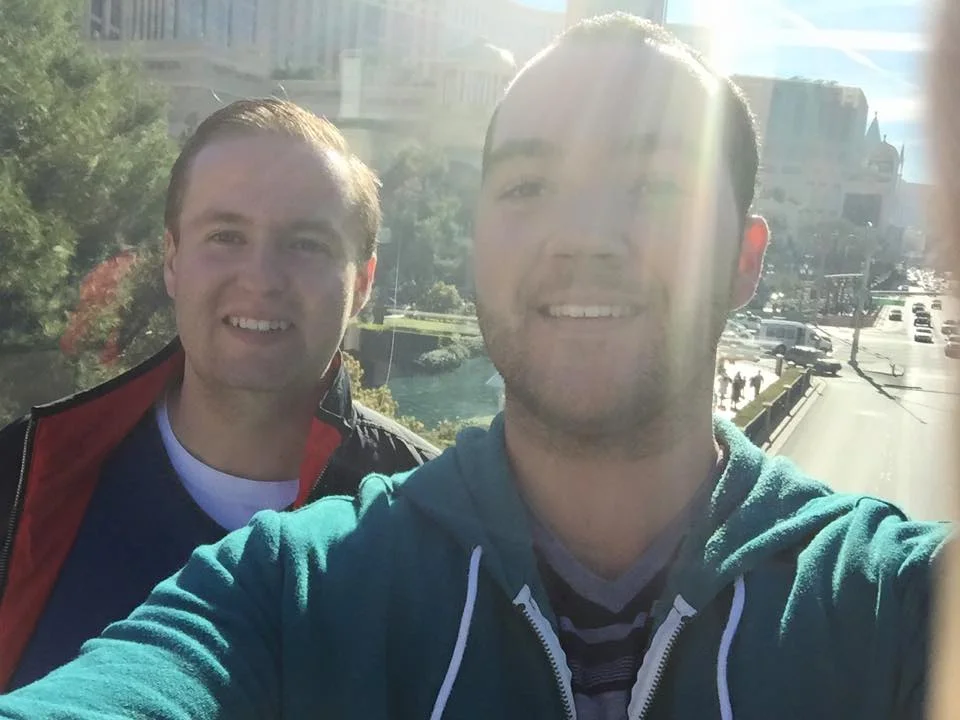
But Chris was on another level. He had a depth that was hard to quantify and an intuition for how controllers behaved under pressure. My admiration for him ran almost as deep as our competition.
If there was a nemesis in my story, it wasn’t an adversary. It was a benchmark.
And then there was Jon. The SSD Commander was an overclocking maestro whose tuning sessions bordered on legend. Our competition was blistering, with firmware tweaks, late‑night testing marathons and graphs that turned into battlegrounds. We pushed each other hard, to the point that Jon burned multiple chips, as I remember it, in the race to edge just ahead of me, his younger rival.
For me, those rivalries weren’t about ego. They were about discipline, about the relentless drive to refine, verify, and push the craft further. Each matchup, each silent contest in data and performance, shaped my precision.
Nights of discovery
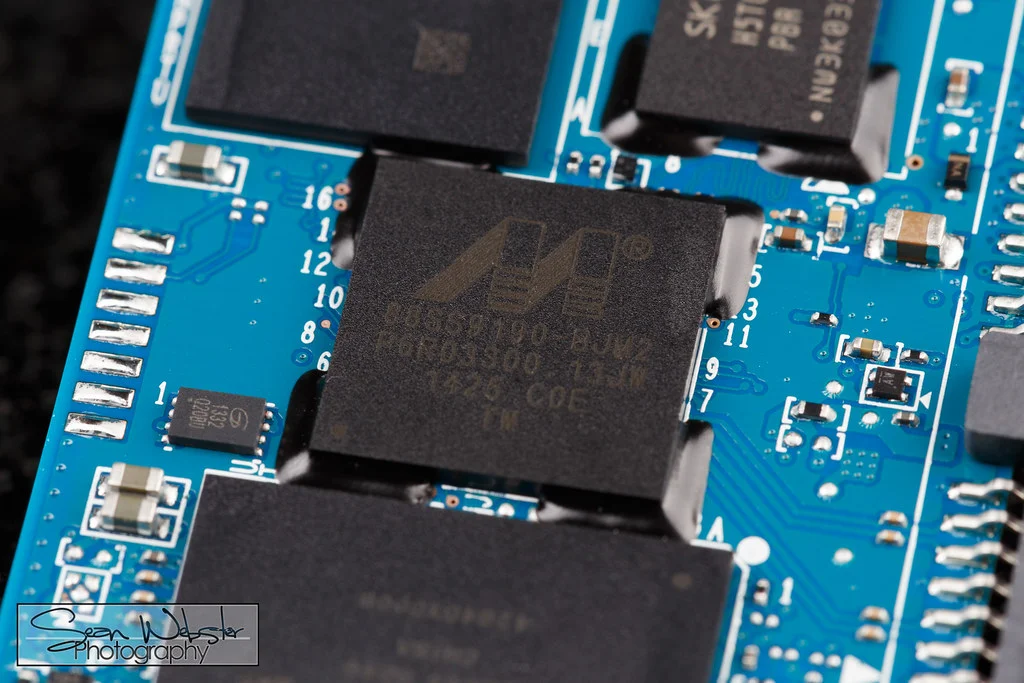
The days were filled with demos, data and bench‑logs of meticulous detail. The nights brought the conversations that truly mattered. Over quiet drinks and late sessions, engineers from Marvell, Phison and Silicon Motion dropped hints about what came next. Those moments were candid, technical and unforgettable, and they were the pulse of progress.
Nights of discovery
The days gave me data and the nights gave me hints
Days gave me the data, and nights gave me the hints about what came next.
Some stories were written down; others lived only in memory, traces in the firmware of experience.
Mentors, friends, and the long sync
Through all of it, I kept learning. Allyn Malventano stood out as a technical anchor whose deep understanding of power delivery, queue behavior and controller design opened my eyes to new dimensions of SSD performance. Countless lessons were drawn from Allyn’s dissection of complex architectures, and from those insights I refined my own enterprise review methodology.
Mentors, friends, and the long sync
Three people each gave my work something different
Allyn shaped how I read a drive, my friend shaped how I tested one, and Paul gave me a place to publish the results.
I didn’t do it alone, because a close friend who would later take a role at Micron helped shape those enterprise‑level tests. Our collaboration turned my curiosity into capability, and their guidance left an indelible mark on the structure and accuracy of my reviews.
Then there was Paul Alcorn. He was a seasoned mind in enterprise storage and microarchitecture, and his grasp of system design ran as deep as his belief in giving new voices a chance. If Paul hadn’t taken a chance on me at Tom’s Hardware, things might have unfolded differently. That opportunity opened a door and defined a lineage of reviewers who understood hardware as a craft rather than a headline, from schematic to silicon.

The legacy of memory
In truth the circle was small, a handful of people scattered across states and time zones and united by benchmarks, timestamps and trust. I carry enormous respect and gratitude for all of them, for the friendships, the long nights and the stories that shaped my career and my life.
The legacy of memory
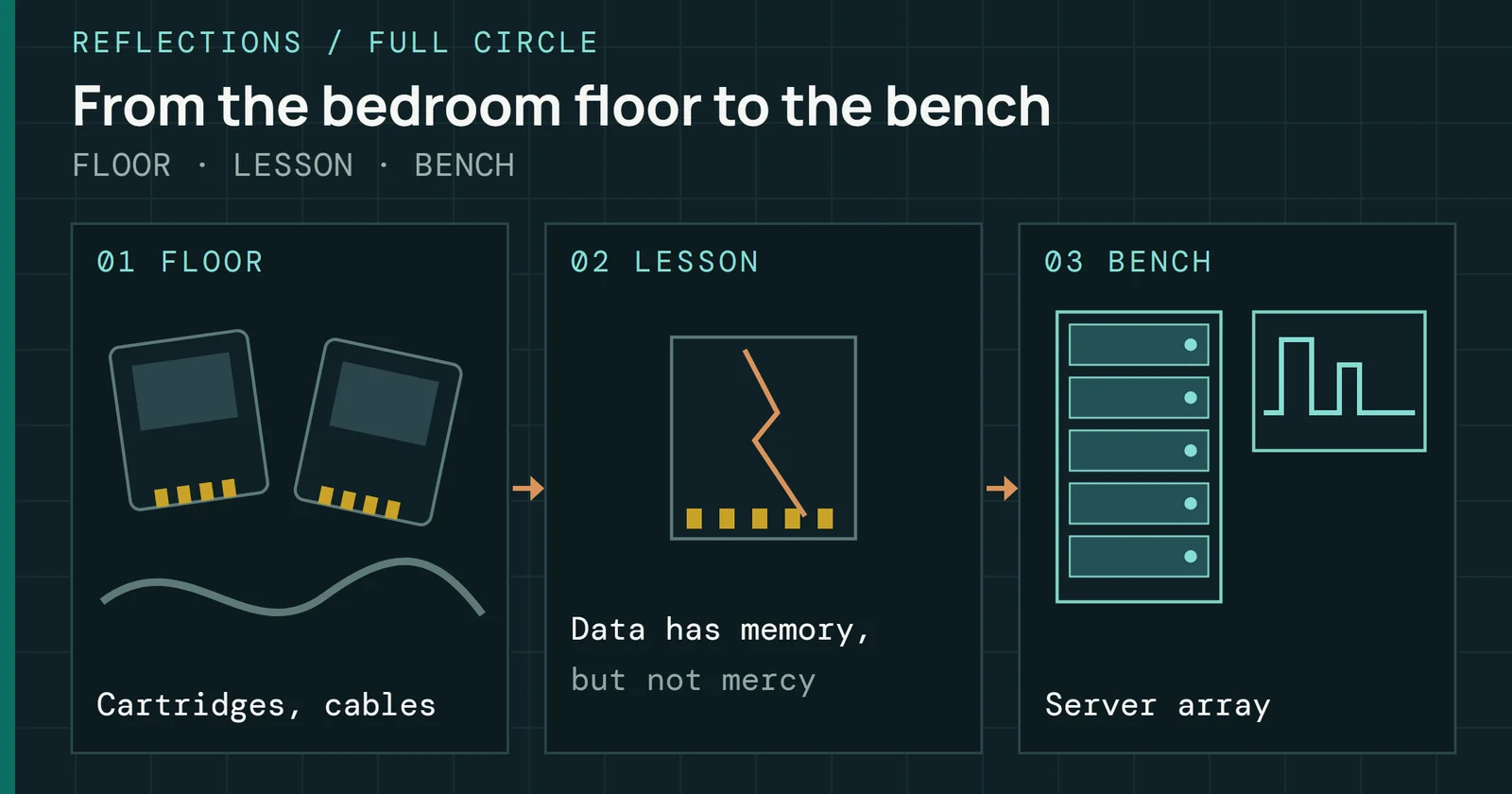
The circle of people lives inside the memory it kept
That small circle sits at the center of everything I remember from those years.
Storage devices have failed me over the years, but these memories, these shared experiences, have been etched on a medium yet unseen. They endure as data and as meaning, held in the architecture of memory itself.
For me, the world of flash and firmware was more than technology. It was a battlefield of bits, a network of rivals and mentors who rewired what it meant to tell the story of speed.
Sources
Primary is the original paper, standard or datasheet. Secondary is a review, a vendor summary or a news report. Measured is my own test data.