I test storage the way I do because of a habit I picked up early: when a system falls short, fix it. It started when I was a teenager with a soldering iron, a folded flyer and a small neighborhood tech business of my own. It ran through competitive gaming, forum guides, and years of reviewing before it became the validation work that this site is built on. That method is written down in full on the Editorial Standards page.
Reflections
The Origin of Purpose
How a teenage repair business, competitive gaming, forum guides and years of reviewing led me to test storage the way I do.
On this page 3 sections
Where it started
I am a lifelong gamer. In the late 90s and early 2000s I played competitively, and that taught me to take every edge available. Long load times were a disadvantage, and when flash storage arrived, it was clear it could remove them.
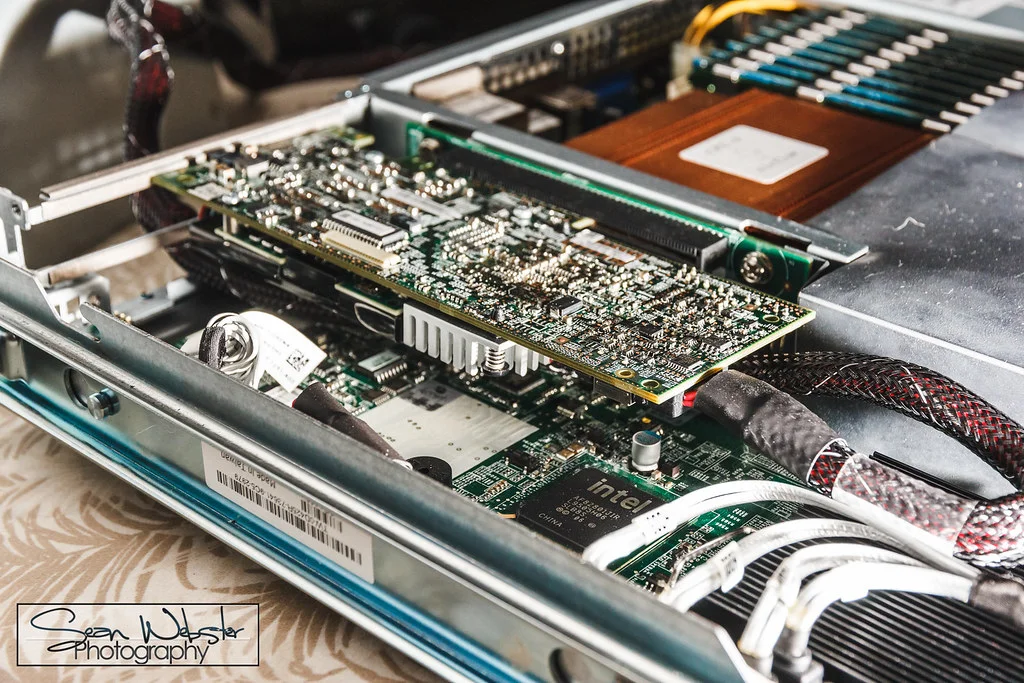
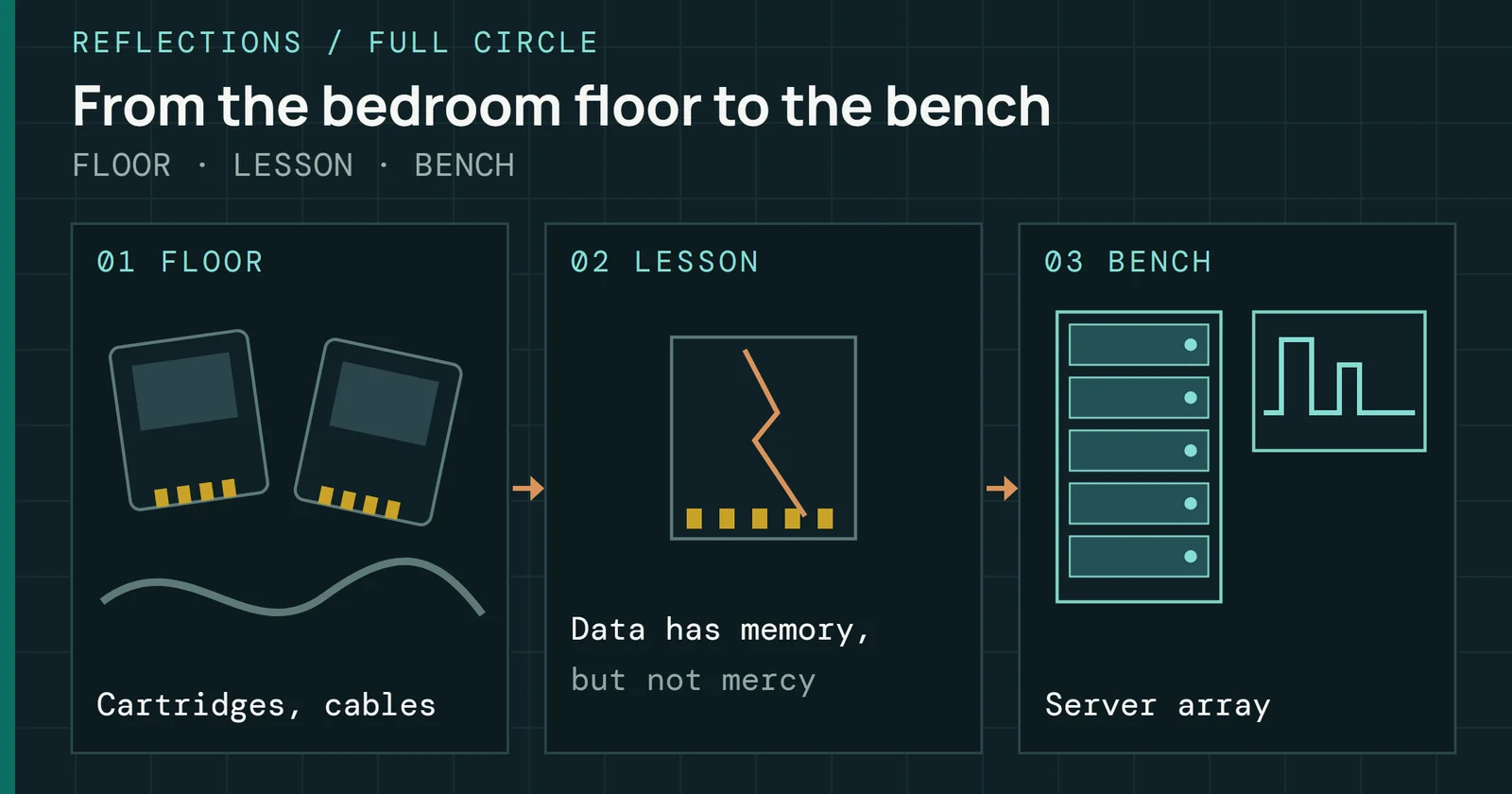
A soldering iron and a folded flyer were the equipment, and I had appointed myself the neighborhood’s Chief Technology Officer. My business began with candy and moved on to iPods, and I flipped, repaired and reinvested. By sixteen I was optimizing as well as building, and every circuit or cooling loop was a chance to beat the standard design. To the neighbors I was the tech guy.
On controllers I rewired inputs, rerouted signals, and added tactile responses so the controller answered the way I intended, which had nothing to do with cheating the game.
Where it started
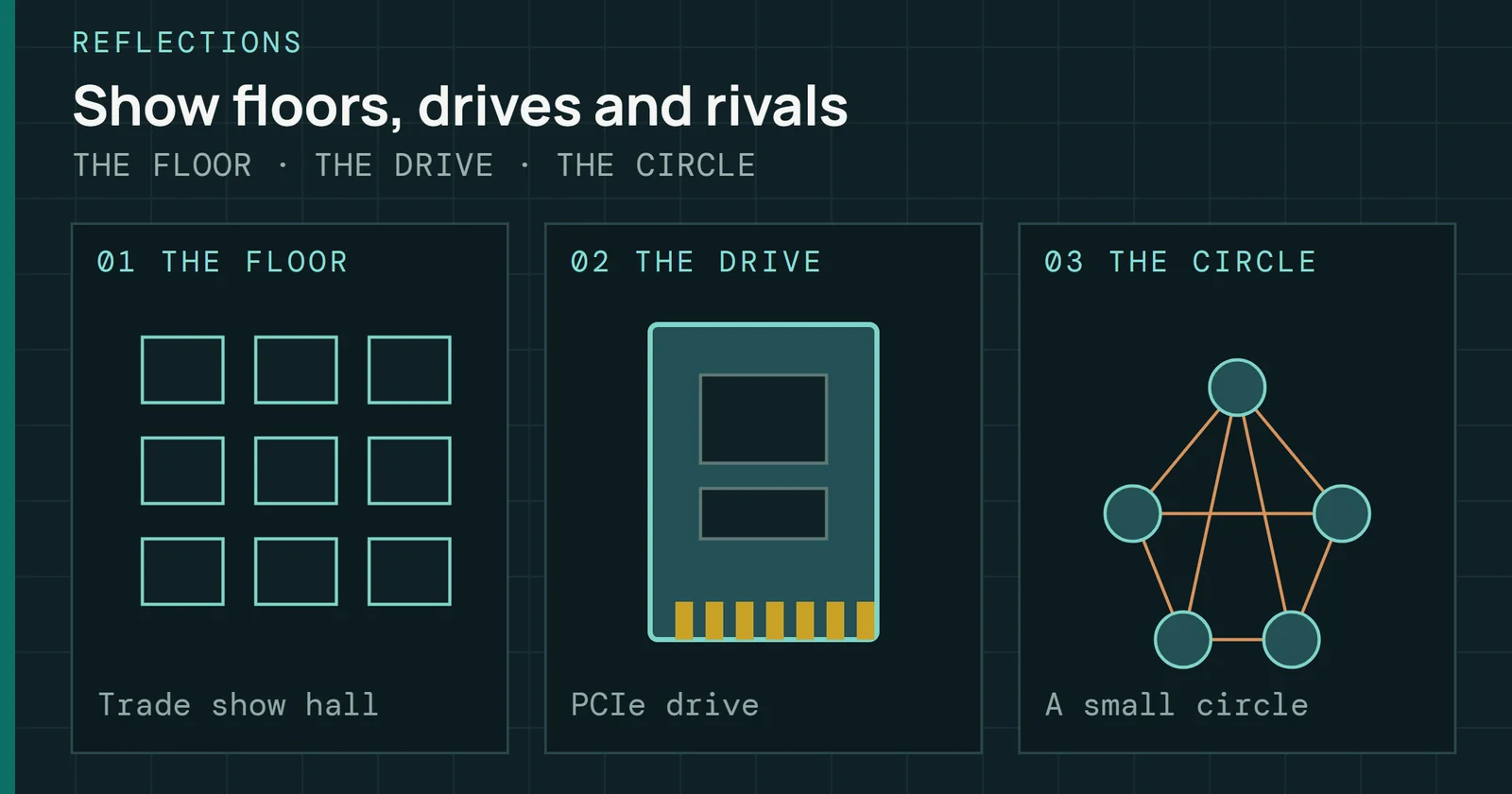
Three starting points, and the rule the controllers taught
The controller projects taught me a rule: if the world hands you an imperfect system, rewrite it. Years later that instinct for precision and control carried over to auditing firmware.
Guides first, then reviews
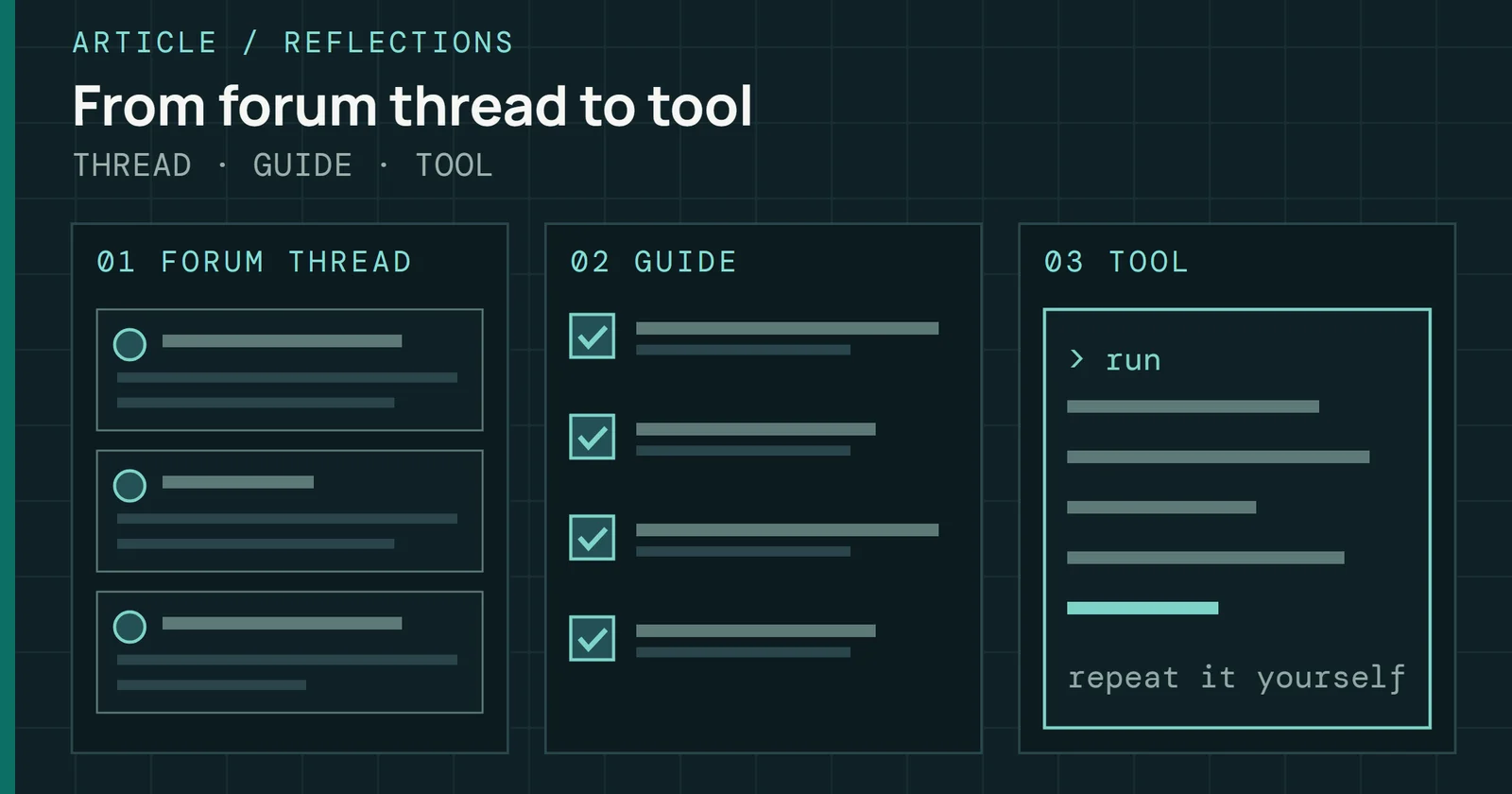
My first writing about it was practical. I made Windows install and optimization guides for SSDs and hard drives and posted them on Overclock.net. For myself, my family and my friends I built the Windows 7 guide, and I shared it because the guides that existed were getting out of date. The Windows 8 guide has passed a million views.
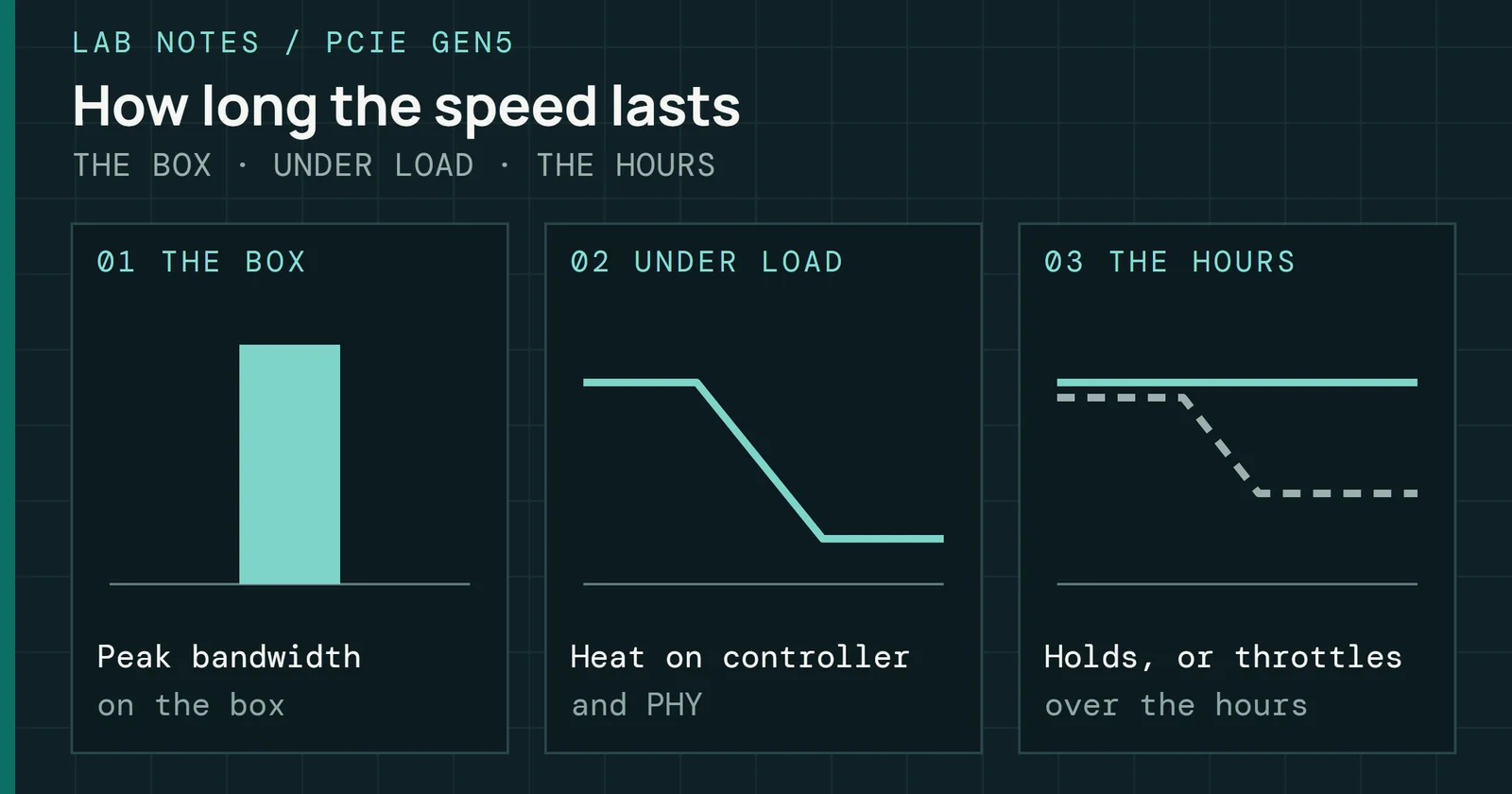
From there I moved into reviewing, first at The SSD Review and then at Tom’s Hardware. That work taught me that a spec sheet is a claim, and that the useful question is what a drive does after the first minute.
Guides first, then reviews
Guides led to reviews, and reviews led to repeatable tests
Alongside the reviews, I have spent more than 15 years building systems and validating them. That is where I learned to make tests repeatable, and it is what most of this site is about.
What I remember most
Looking back, the people stand out more than the tools, and connection with them was the reason I did any of it.

A student’s laptop came back to life hours before finals. A gamer’s console stopped freezing in the middle of a match. The thanks was never loud. It came as a nod or a small smile, and the sense of a promise kept.
What I remember most
Small repairs turned into the purpose behind the testing
Those small wins hardened into purpose. The same drive that guided my teenage builds now takes me through memory for AI and silicon design, and every benchmark and every line of diagnostic output still goes back to those days, when fixing tech meant helping someone be heard.
Sources
Primary is the original paper, standard or datasheet. Secondary is a review, a vendor summary or a news report. Measured is my own test data.
Show all 4 sources
- SecondaryStorage Essentials Thread (Overclock.net page printed to PDF)Overclock.net, 2012
- SecondaryThe SSD ReviewThe SSD Review, 2019
- SecondaryArticles by Sean Webster, Storage ReviewerTom
- MeasuredThe author’s own measurements