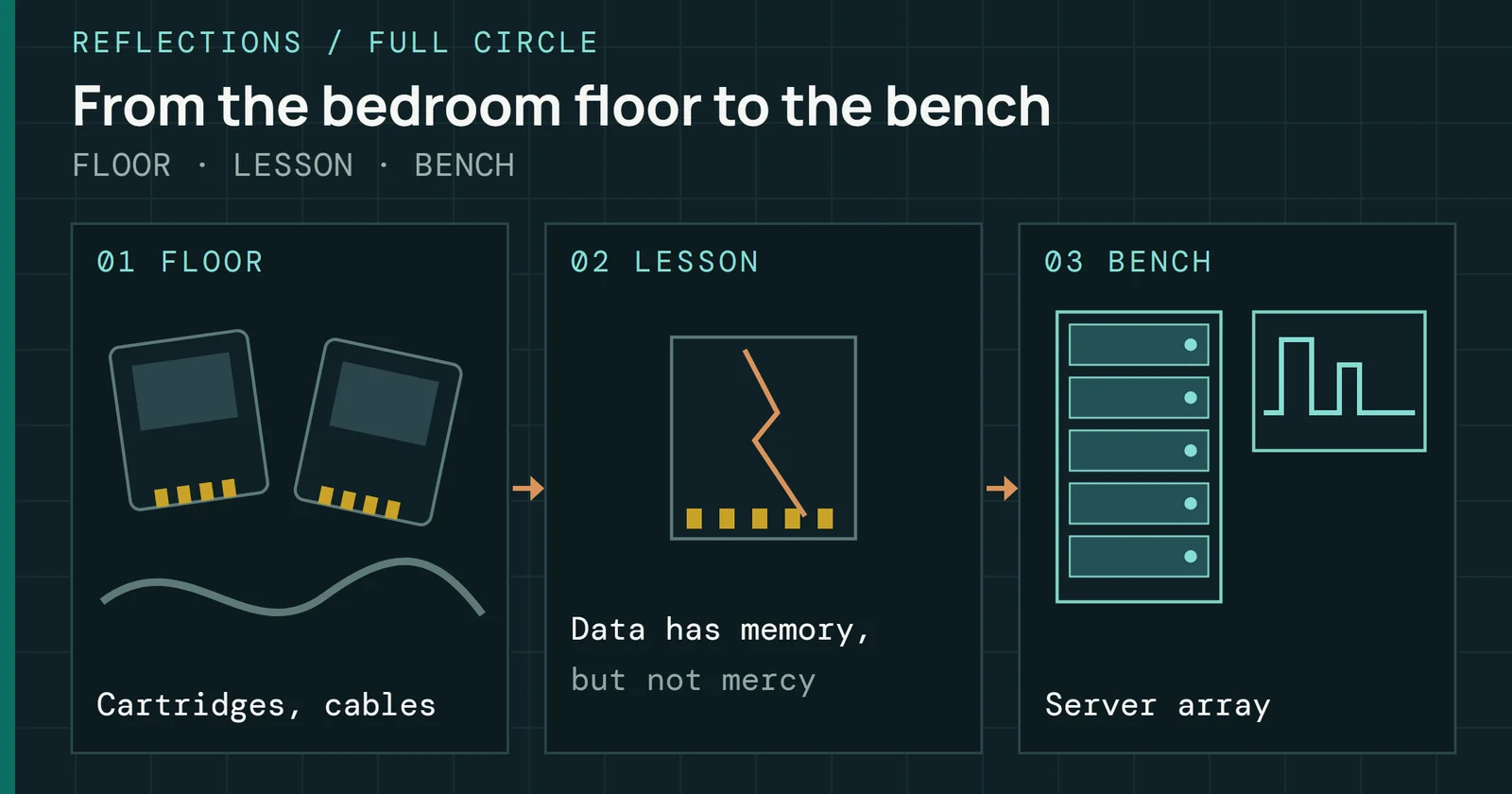
A drive can pass every test on the bench and still let a buyer down later. Years in validation labs and enterprise deployments taught me that, and I call it field practicality: what actually breaks once a product leaves the lab.
Lab Notes
Field Practicalities
What happened when Crucial swapped the P2’s flash without changing its name, and why one review is only a snapshot of one sample.
On this page 3 sections
This page starts with one case, the Crucial P2, which changed its flash without changing its name. It then covers what one review can and can’t tell you, and what I watch for now. The Flash Foundations section on supply concentration explains how two drives under one model number can carry different NAND.
A review is a snapshot
A review describes one sample. The drive that reaches shelves months later can be different, and the model number will not tell you.

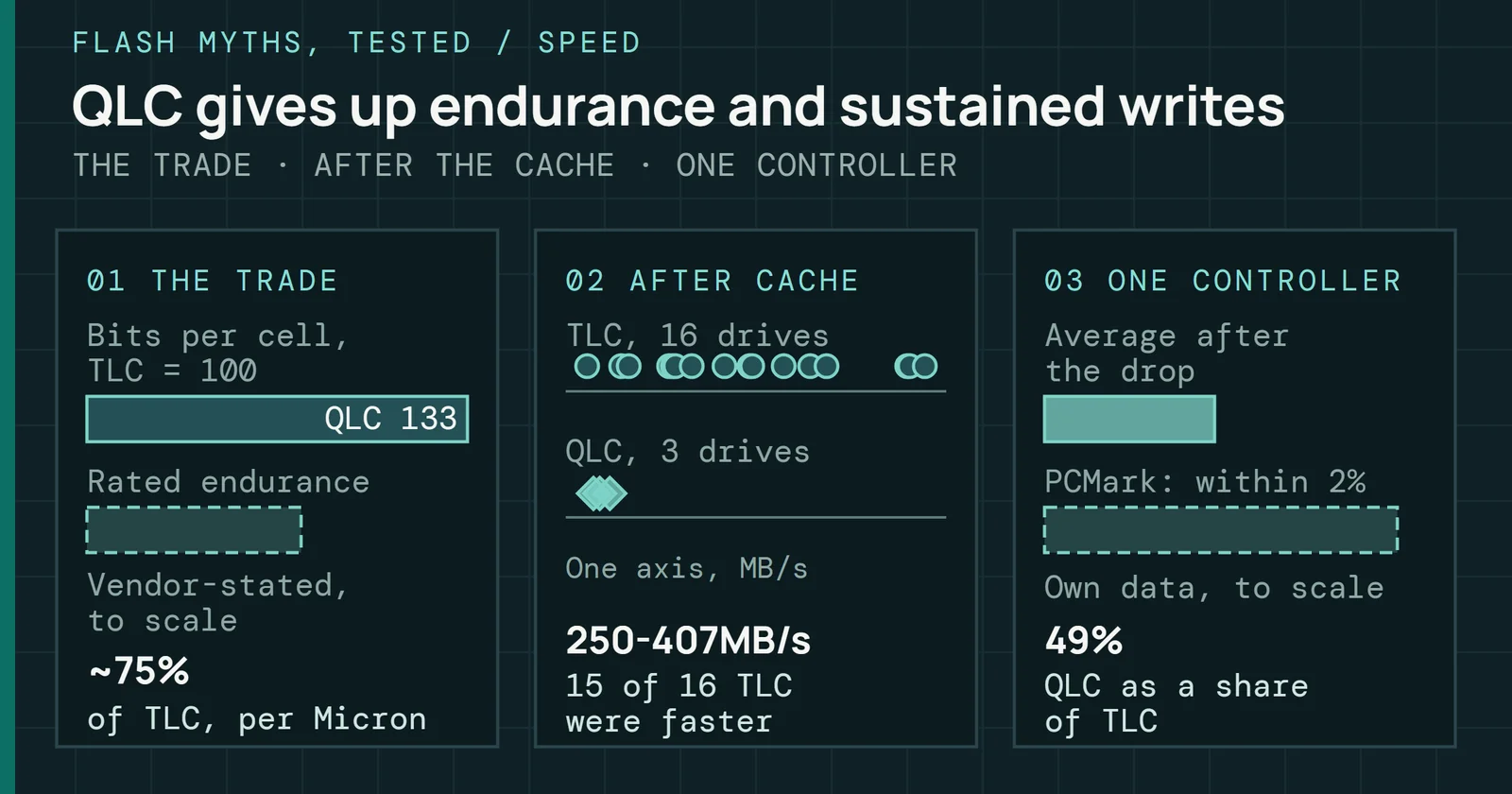
I ran into this with the Crucial P2. My original sample beat its own spec sheet: the 500GB model was rated for writes of up to 940MB/s, and mine managed over 1.8GB/s. That seemed off at the time. By August 2021, Crucial had replaced the P2’s TLC flash with slower, less durable QLC without changing the name or model number, and without announcing it.
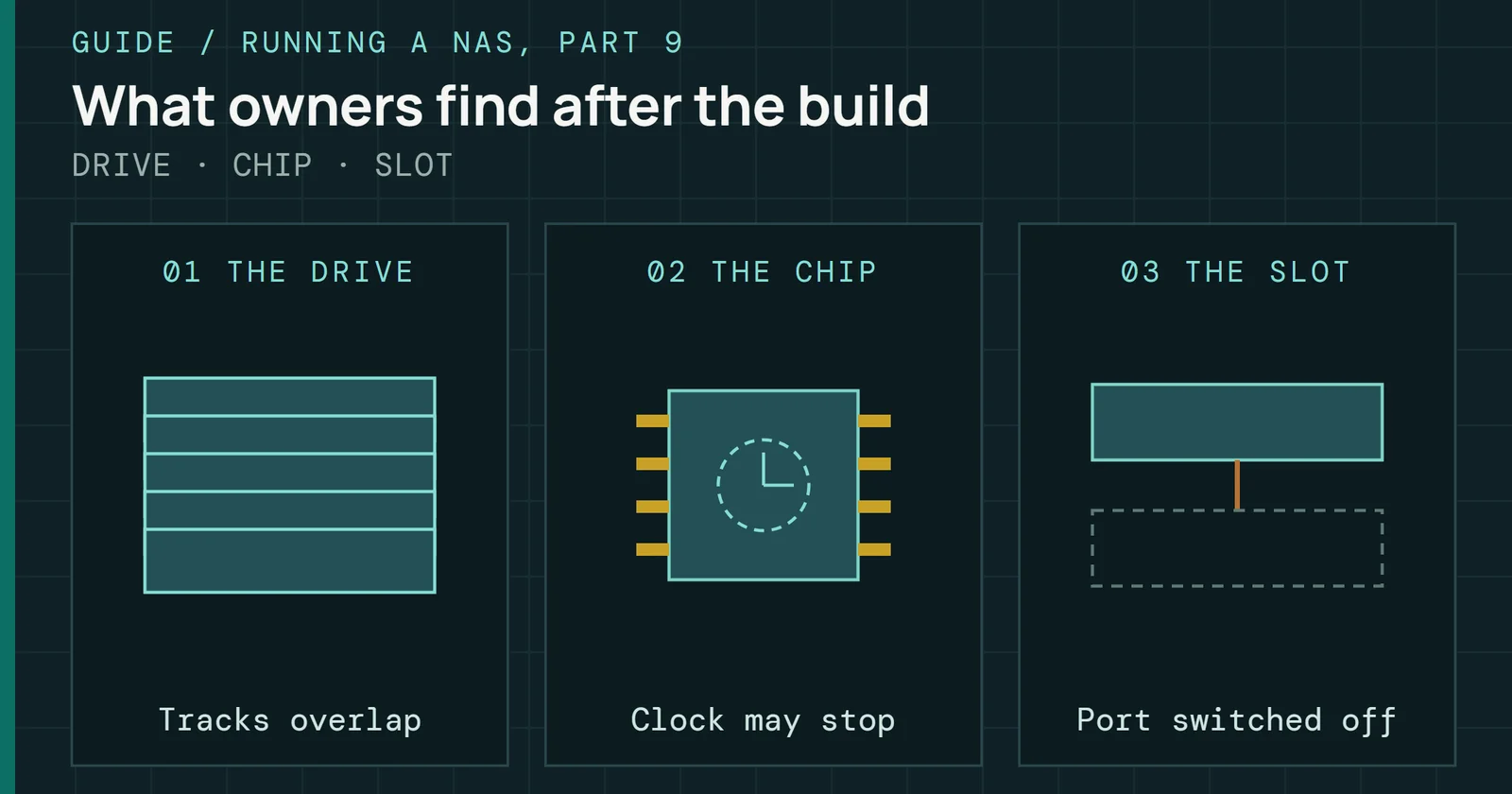
Quiet failures worry me most, because they teach endurance design the hard way. Among the ones I’ve seen are firmware anomalies that only appear after a thousand hours of continuous uptime, so no short test catches them, and drives that passed every qualification test before aging into erratic read latencies or sudden power-resume loops.
A review is a snapshot
A review sees one sample at one moment
A review sees only the solid box. Dashed boxes carry the same model number, and the number alone cannot say which drive reaches you.
What the swap cost
I re-tested the new version for Tom’s Hardware. File transfers ran at roughly one-quarter the speed of the original, real-world reads at half the speed, and sustained writes fell to 40MB/s, which is slower than most hard drives. Crucial claimed the drive still lives up to its specs because QLC performance was already in the spec sheet at launch. That holds for the sequential speed of the SLC cache. It doesn’t describe a long write or a random read.
What the swap cost
The revised P2 wrote at 40MB/s, far below the original sample
Crucial’s rating is the dashed bar. My original sample ran well above it, and the revised drive’s sustained writes sit far below the original. That third bar is a different test, sustained writes, so the drop from the second bar isn’t like for like.
Crucial had set a precedent the year before with a second, QLC-based version of the BX500, and Tom’s Hardware had seen the same gap between spec sheet and original performance in Adata’s XPG SX8200 Pro, and Adata was already under fire for deceptive tactics. Keeping the name and number unchanged is what sets the P2 apart.

The problem for buyers is that every review of the original P2, mine included, now describes a drive you may not receive. A model number can’t tell a buyer which flash is inside. That version had a UK/CA mark on its packaging and a new firmware revision, and its flash sits under the label, so the safe assumption is that any P2 has QLC flash. I no longer recommend it for a value-level SSD. Component changes can be reasonable, for supply or for cost. They need to be disclosed, and a change this large should come with a new model number.
Where I look next
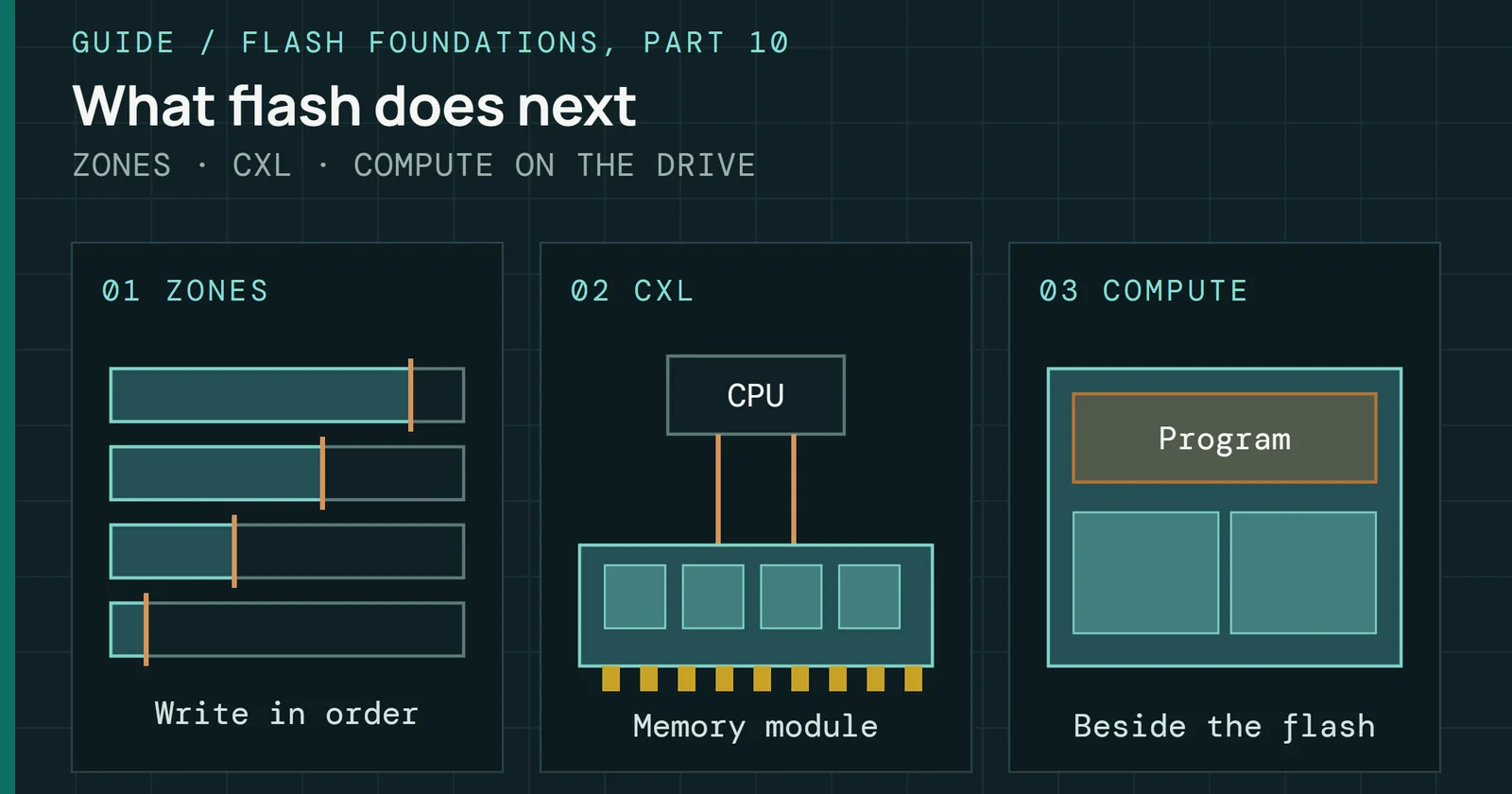
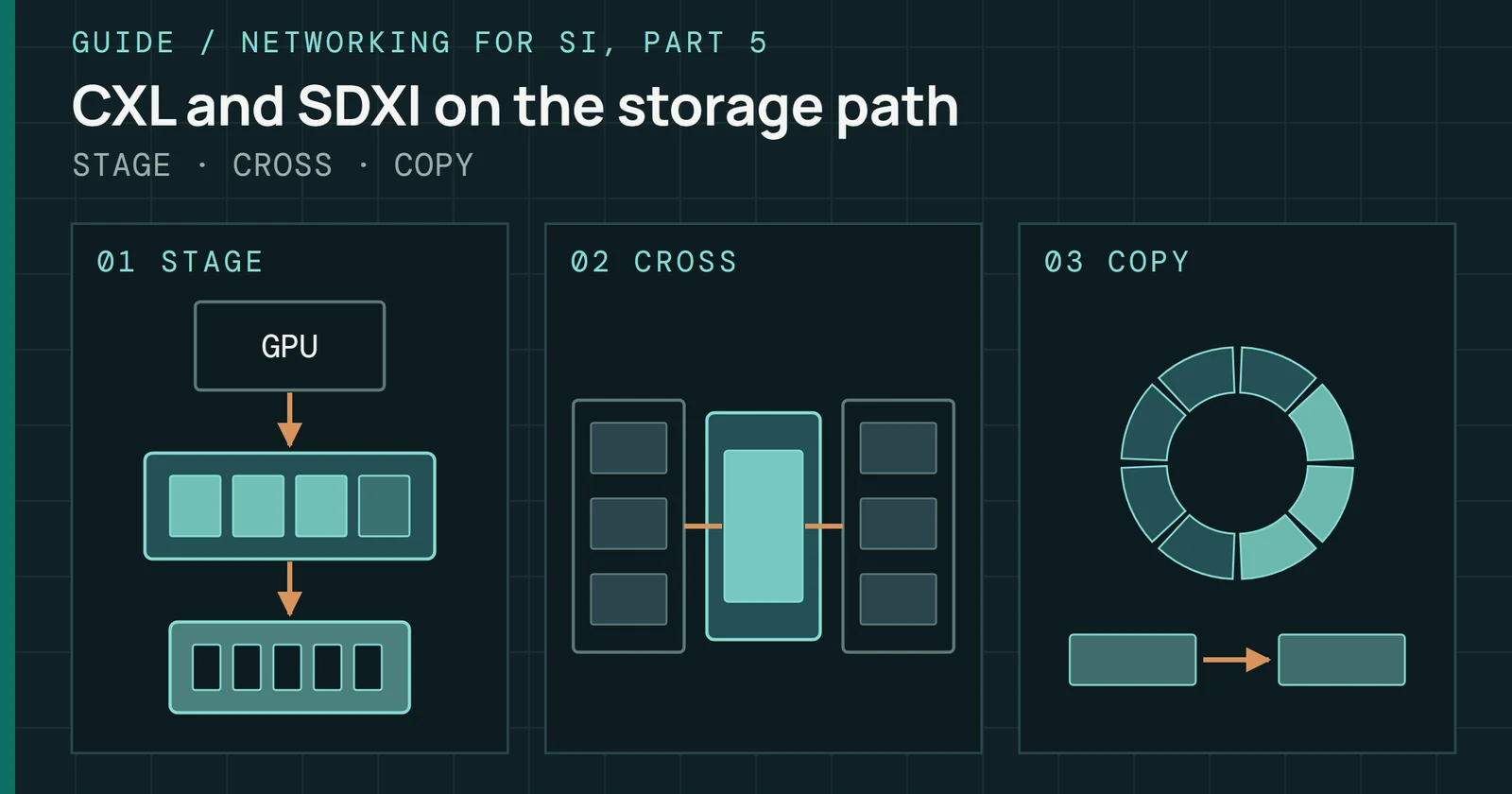
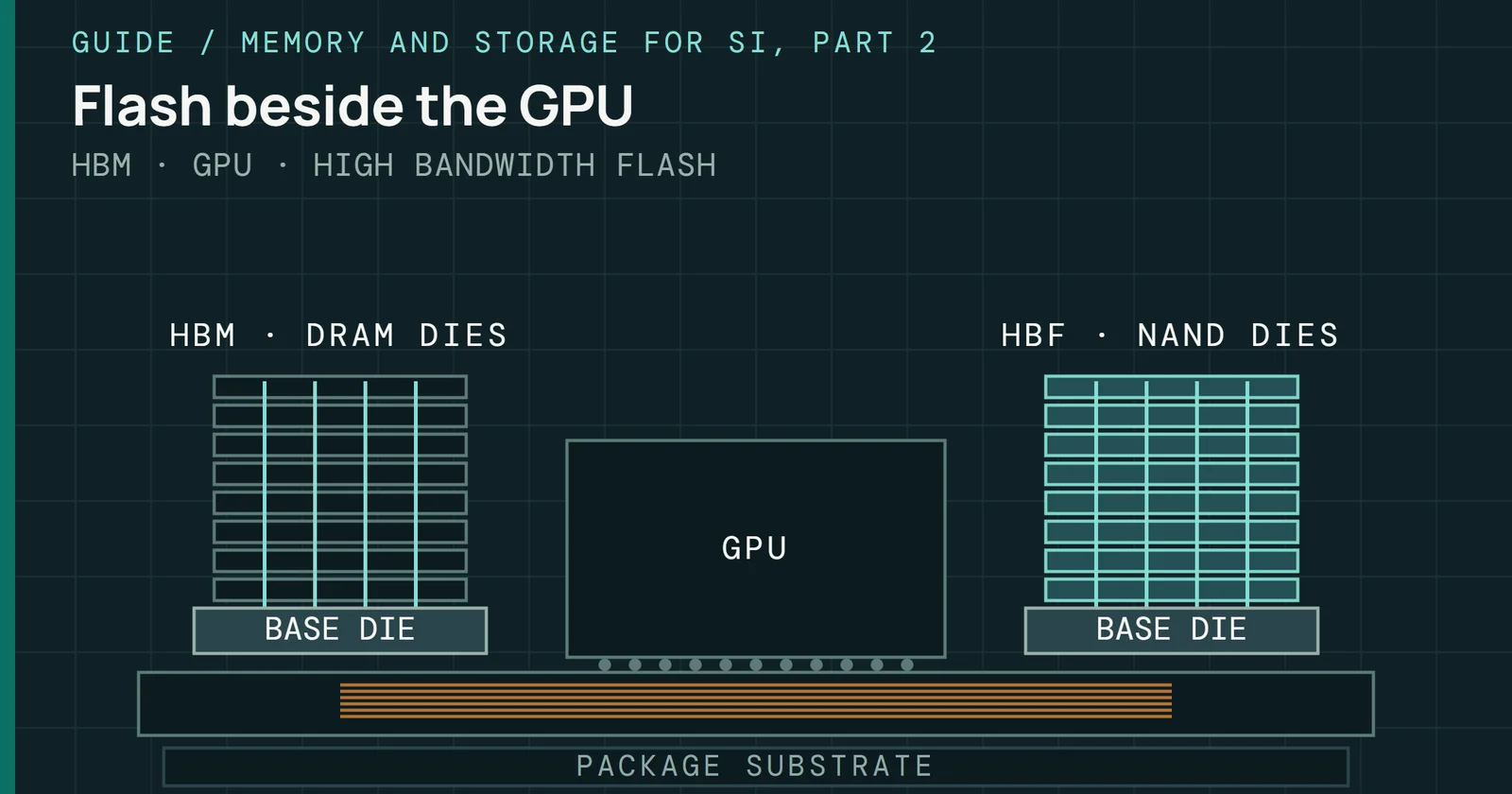
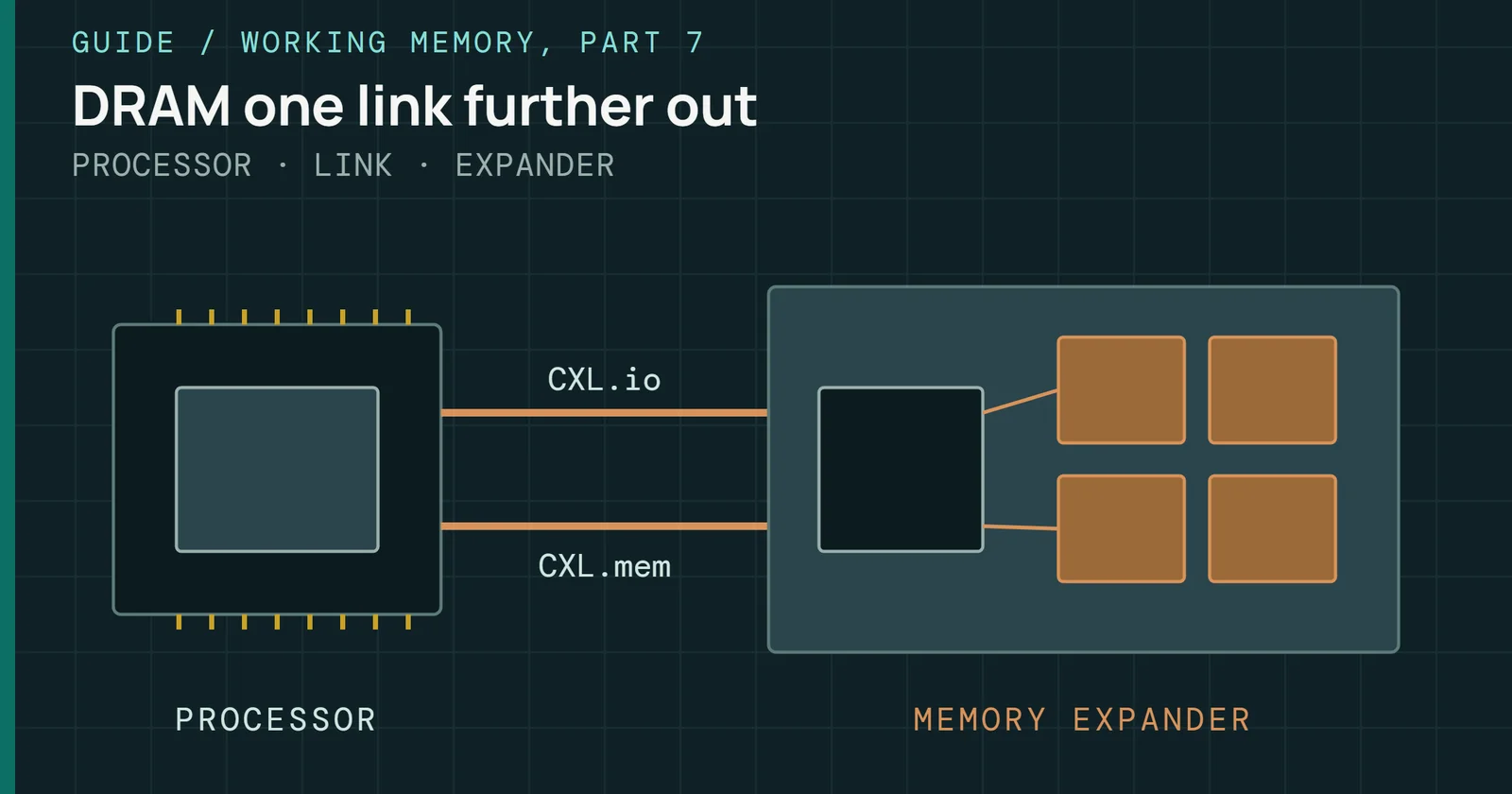
Lately I’ve been looking at CXL, an interconnect built on PCIe that keeps a processor’s memory coherent with memory on attached devices. See the high bandwidth flash guide and the memory map for where flash meets it. With CXL I check memory coherency under stress, lane recovery after hot-plug events, and controller arbitration under mixed tenant contention.
Where I look next
Three checks on a shared memory and storage fabric
Each box is a failure I’d rather find on the bench than in a customer’s rack.
Prevention is the craft, and that means finding failure before customers do. Forensic frameworks I’ve built can spot a swap like the P2’s from telemetry alone. In the P2 case the clues were die density and die count and, in the S.M.A.R.T. data, a hint of lower power limits.
Sources
Primary is the original paper, standard or datasheet. Secondary is a review, a vendor summary or a news report. Measured is my own test data.
Show all 3 sources, 1 primary
- PrimaryUnsavory Flash Swap: Re-Testing Crucial’s P2 SSD After QLC DowngradeTom's Hardware, 2021
- SecondaryCompute Express Link (CXL): Enabling an Interoperable EcosystemSNIA / CXL Consortium, 2023
- MeasuredThe author’s own measurements