Photography is how I came to storage testing. For HandleLife I shot basketball pros and supercars, and on one location shoot a memory card failed to mount and took a full day of work with it. HandleLife was growing fast then, with campaigns reaching courts and continents. Losing that card turned a creative worry into a technical one. That loss pushed me to dissect how flash fails under heat, power, and speed. It also raised a harder question about the drives that archive research and enterprise data. It still shapes the way I review SSDs. Gaming and forum guides are the other half of the habit, told in The Origin of Purpose. Both pieces sit on the blog with my other personal writing. Chasing motion taught me to look for pattern and rhythm in what others only photographed. Those habits now go into how a sample is staged, how a thermal curve gets read, and how endurance gets written about. Protecting other people’s work is the point of all of it.
Reflections
The Lens and the Logic
How photography, a failed memory card, and the demands of creative work shaped an approach to storage testing and technical communication.
On this page 6 sections
From HandleLife to high‑performance silicon
Every craftsman begins with a vocabulary, and for me, that language was light. Before I was reversing firmware traces and mapping voltage signatures, I was chasing motion through a lens, capturing athletes, engines, and raw human energy. While others chronicled the surface, I hunted for pattern and rhythm, the invisible geometry of performance.

As the HandleLife brand exploded across courts and continents, my camera became both scalpel and mirror. Whether shooting basketball pros at the apex of a vertical fadeaway or freezing supercars mid‑corner, I understood that a frame was more than aesthetic, that it was data captured through intuition.
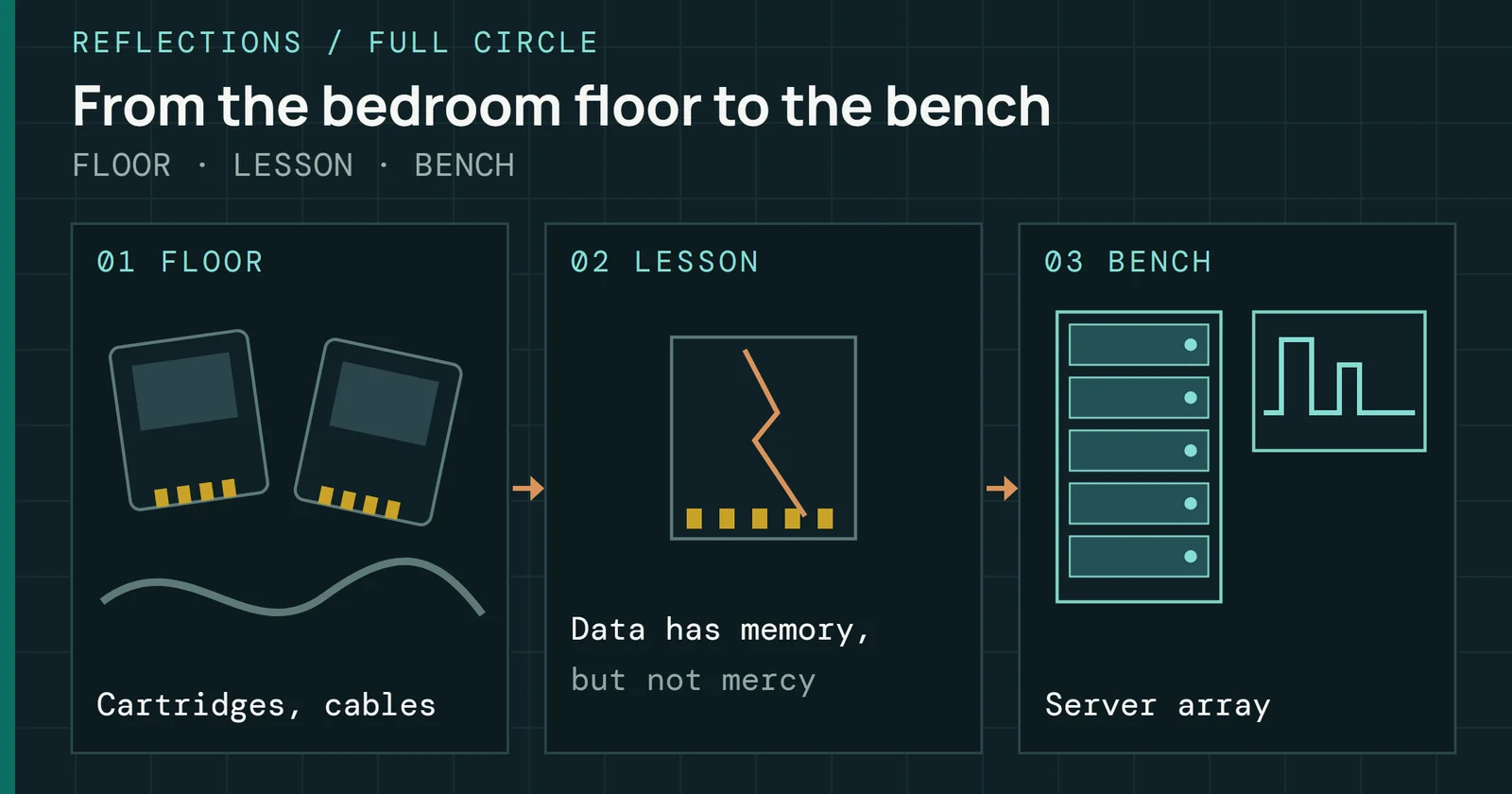
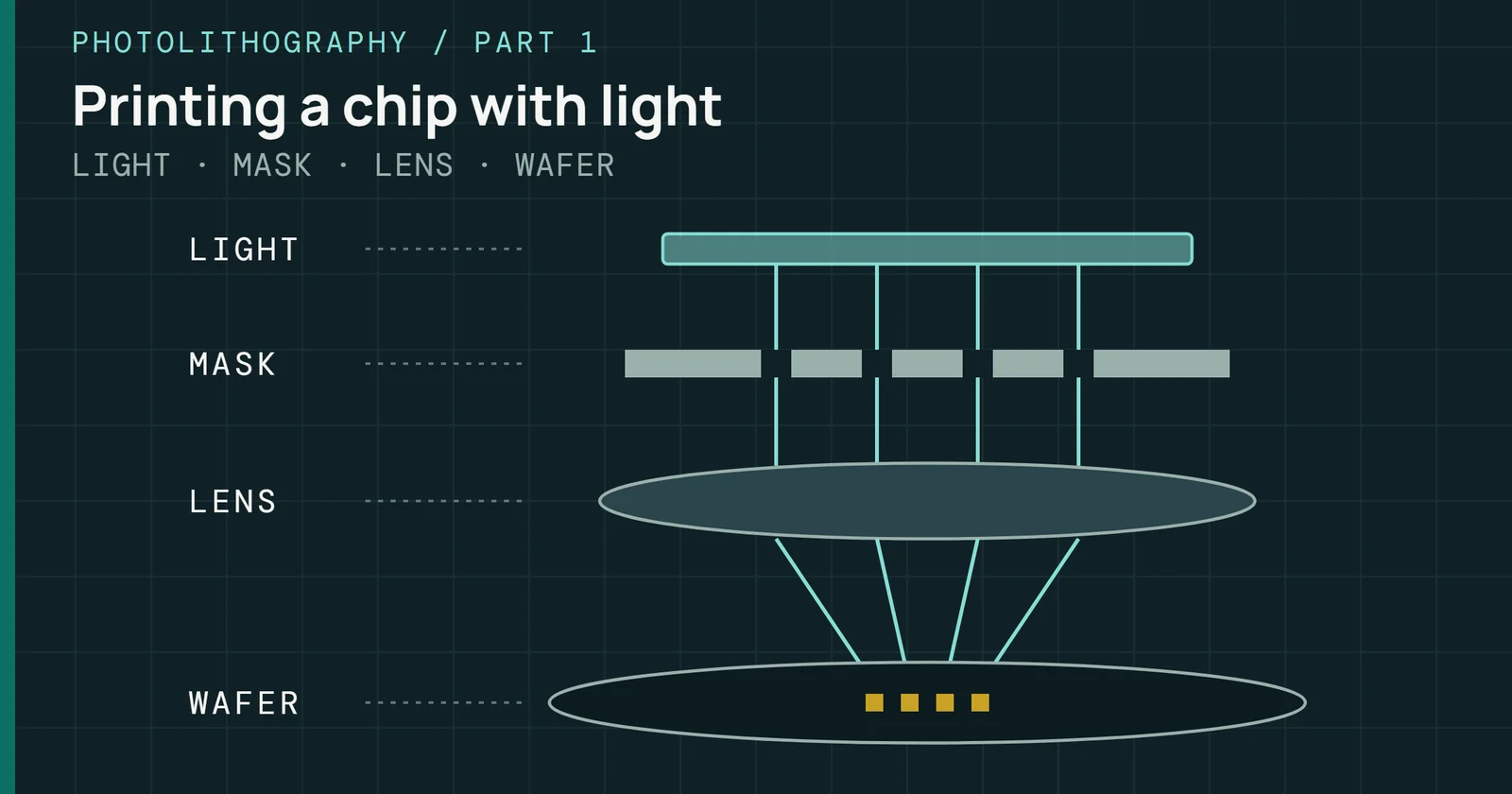
Light becomes a file at the sensor and stays a file only as long as the card holds it, so every frame ends its trip there.
From HandleLife to high‑performance silicon
A frame ends its trip on the card
But amid the creative high of million‑click campaigns lurked the anxiety only professionals know, the quiet terror of lost memory.
The card failure that sparked a revolution
The moment came on location, in humid air, with a low battery and impossible light. A full day’s shoot vanished when the memory card failed to mount. Hours of perfection reduced to error codes and unreadable clusters. I had trusted silicon, and it betrayed me.
The card failure that sparked a revolution
Humid air, a low battery, and bad light ended with a dead card
Obsessed, not with blame but with cause, I dissected every failure mode and watched several of the biggest brands falter under the trifecta of heat, power, and speed. The epiphany was brutal and clear. If consumer flash couldn’t survive a camera shoot, what did that mean for the drives archiving scientific research, enterprise data, or human memory itself?
That collapse of trust became ignition. Having once framed photons, I turned my attention inward, to the semiconductors storing them. The camera became a microscope, and beauty gave way to forensics.
From lifestyle shoots to power analyzers
Today, when I review an SSD, the process feels less like testing hardware and more like composing truth. The same instincts that guided a photo’s lighting now find imperfections in NAND’s thermal curve. Each review is a study in fidelity, not of image but of integrity.
The photographer’s eye
I still stage my samples the way I once staged fashion lines, with high exposure, hard reflections, and surgical angles. My images aren’t product shots. They are portraits of possibility. In copper traces I find elegance, and in the sheen of a new controller die, drama.

The veteran of contingency
Every field test triggers the same physiological tension as a race‑day shoot, with one chance and no margin. I know failure not as an abstract statistic but as the hollow click of a shutter over corrupted bytes.
The advocate for the creator
Underneath my technical rigor lies empathy. I know the terror of creative loss, so when I write about sustained latency or cell endurance, what I’m really writing about is protection of memories, careers, and human expression hidden in terabytes of data.
From lifestyle shoots to power analyzers
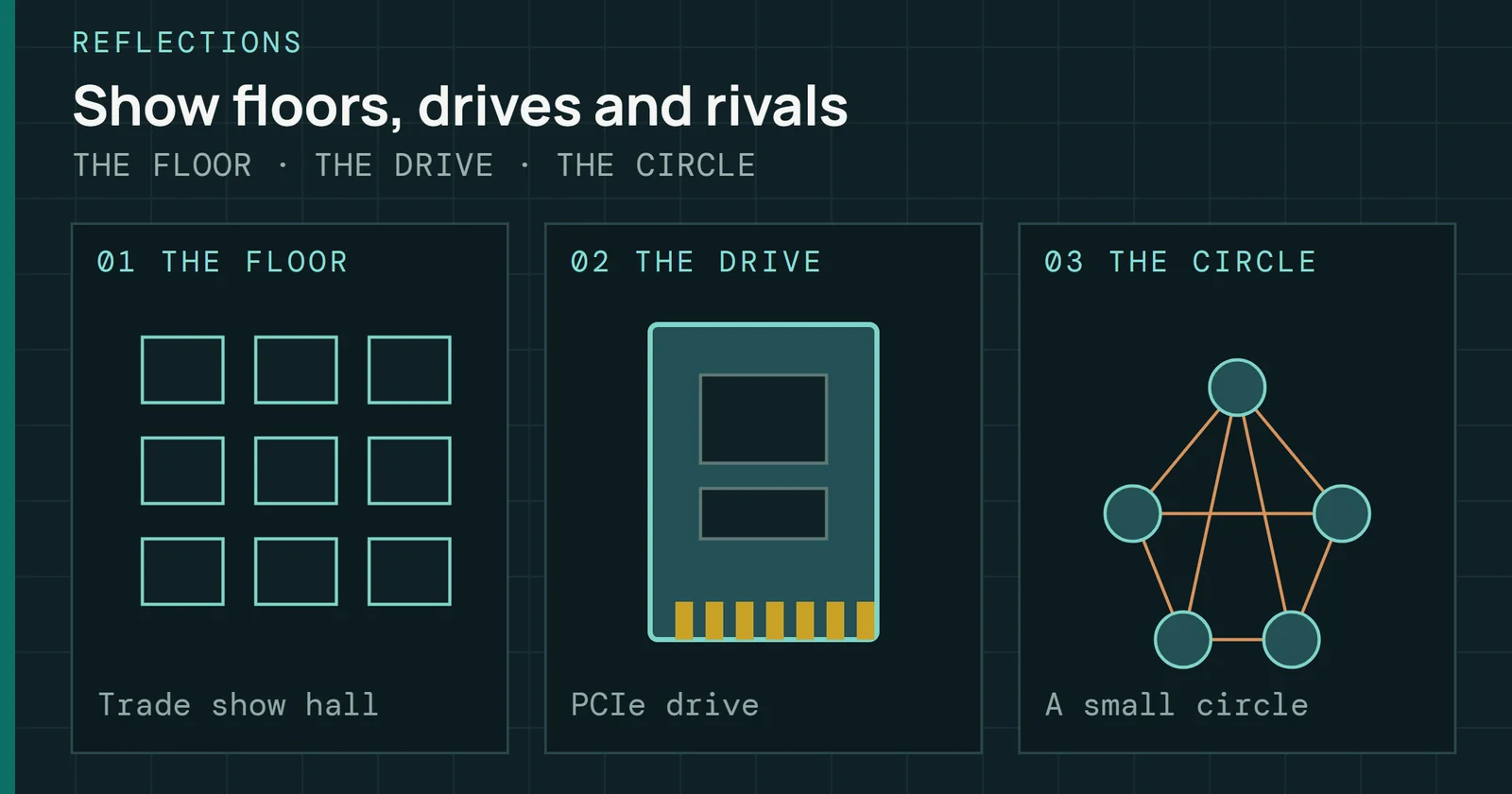
Three photographer’s habits carried over to SSD testing
In a world where speed is worshipped and durability is assumed, I am an artist turned engineer, and to me every benchmark is ultimately a story of trust.
Sources
Primary is the original paper, standard or datasheet. Secondary is a review, a vendor summary or a news report. Measured is my own test data.
Show all 1 sources
- MeasuredThe author’s own measurements