This personal essay explains why I care about reliability. My care for reliability started with lost saves on a bedroom floor: a dropped Game Boy Color, a corrupted PlayStation 2 memory card. From Guru to Guide covers the guides and tools I build, and this one covers why I build them. Underneath it is a child’s question. Why did it break? There is more about me on the about page.
Reflections
Full Circle
A personal essay on how lost saves, college and years at the bench shaped my care for reliability in storage.
On this page 2 sections
Guru, guide, and human
Technology has no patience for sentiment, but my relationship with it has always been personal. When I sit before a million‑dollar server array, orchestrating Quarch modules and signal analyzers to capture behavior no standard benchmark can reveal, I’m not merely validating hardware. I’m reliving the formative chaos that shaped my understanding of one thing:
why precision matters at all.
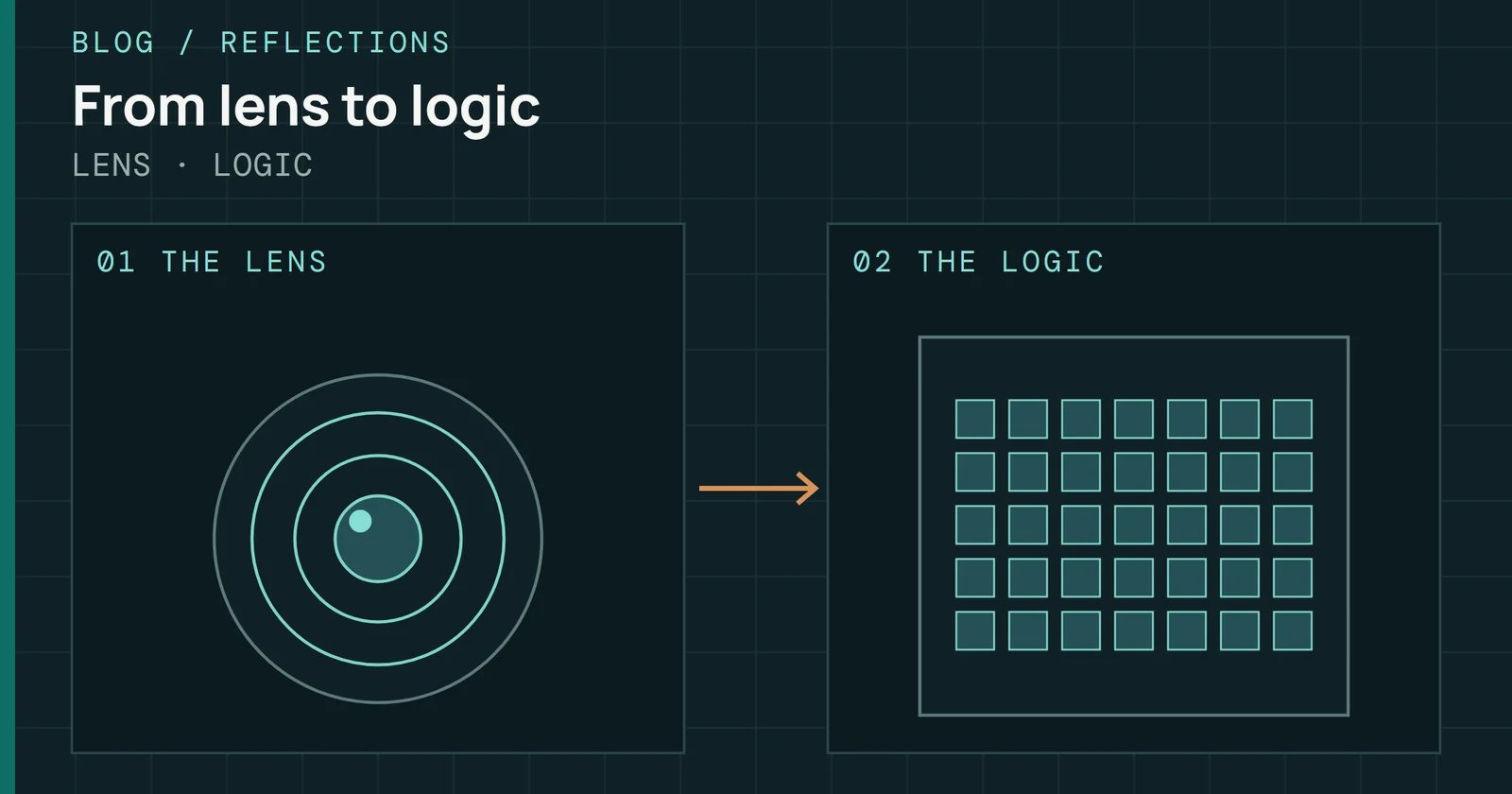
One room holds a server array, Quarch modules and signal analyzers. A bedroom floor covered in cartridges and cables fills the other.
Guru, guide, and human
The lesson at the bench was first paid for on the floor
Why precision matters at all
In the figure, the arrow runs from the floor to the bench. Losing one save was enough to end my trust in saves, and that distrust still guides me at the bench.
Tales lost in the memory vein
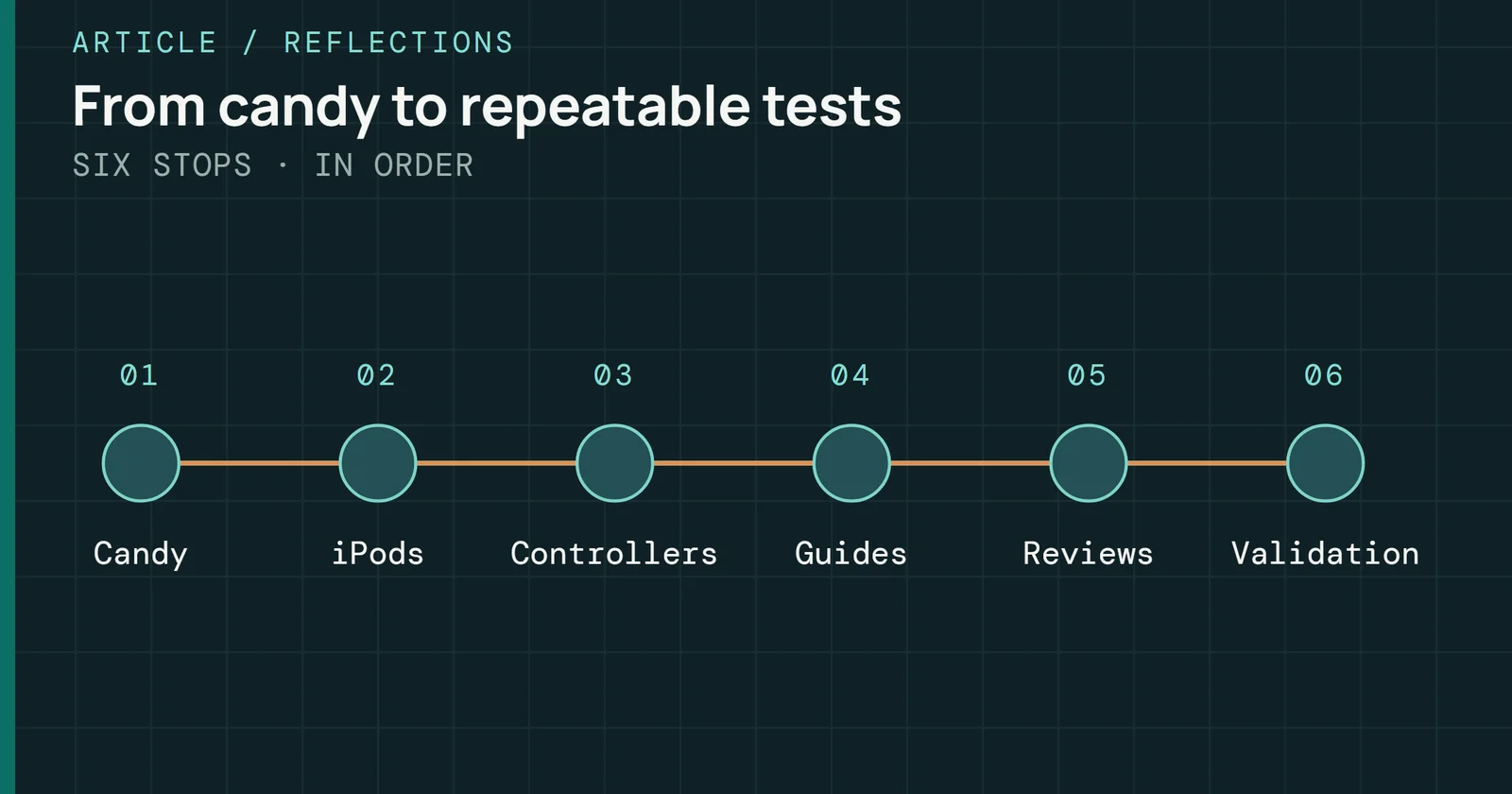
It began decades earlier, not in a lab but on a bedroom floor tiled with cartridges and cables. A dropped Game Boy Color erased months of progress in Pokémon. A corrupted memory card on the PlayStation 2 dissolved an entire Need for Speed career. On my Nintendo 64, I learned that endurance, not luck, was the only reliable save system. Later, in Call of Duty, when reaction time and foresight decided victory, I discovered performance as both a mindset and a metric. Every loss, every reset, and every restart embedded the same principle that now governs my engineering discipline:
data has memory, but not mercy.

By college, my focus had shifted from pixels to principles. Engineering classes taught me thermodynamics and signal integrity, and entrepreneurship taught me asymmetry. Small ideas could move vast systems. When early business ventures revealed the fragility of both startups and circuitry, I began to connect the two:
systems fail for the same reasons people do: overconfidence, heat, and ignored warning signs.
Seeing the same pattern in people and in machines became my compass. It carried me through decades of SSD evolution, from SATA’s adolescence to NVMe’s orchestral complexity. The teenager who once soldered mod chips and LEDs onto Xbox controllers had matured into a man dissecting firmware pathways at nanosecond resolution. Yet beneath every figure and failure mode lies the same question I asked as a child staring at a frozen screen: why did it break, and how can I make it right?
Tales lost in the memory vein
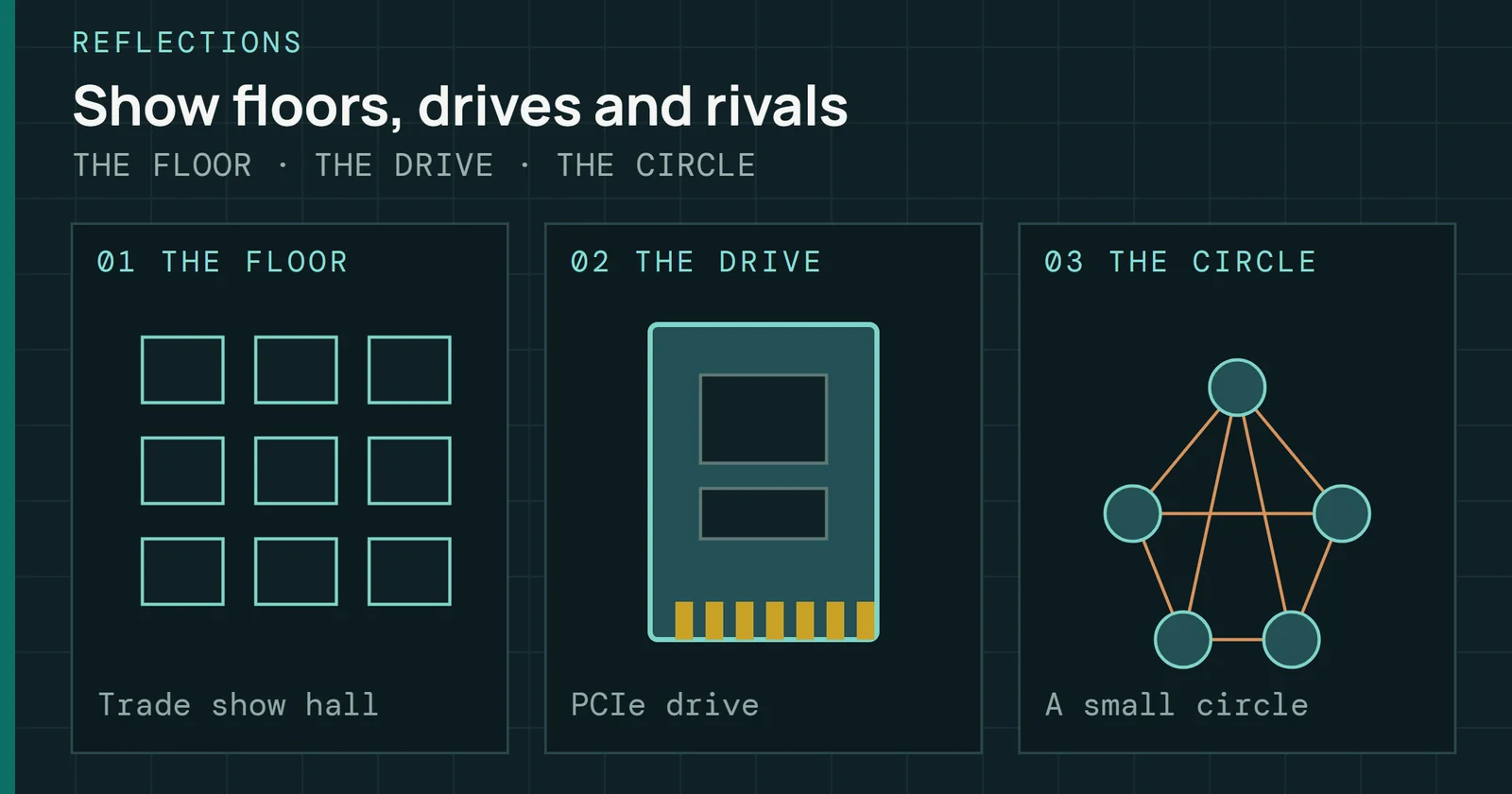
Each step on the floor taught a lesson the bench still uses
In the order the essay tells them
Three lost saves start the path above, and they taught me endurance and caution. Call of Duty taught me something different, performance as a mindset and a metric. After that came college, and then the bench.

The transformation from “Tech Friend” to “Industry Guide” was a calibration. Each chapter of my life adjusted my sense of tolerance, from zeroing in on clock jitter to reading frustration in the tone of a client’s call. Under fluorescent light, I try to keep in mind what is easy to forget:
every byte of data represents human intention: a photo, a thesis, a livelihood.
I measure power efficiency down to micro‑amps not out of obsession with numbers but respect for what depends on them.
Decades of technical precision have refined my empathy. I don’t just judge technology on how it performs. The question I put to it is whether it keeps its promise.
I understand that the purpose of technology is not complexity, but continuity.
I didn’t just learn how technology works. I learned why its reliability matters, because I once lost everything stored inside it.